Decoding Sylvia Plath
Welcome to Julia Gordon-Bramer’s page on Sylvia Plath’s early poems. She has done a lot of work over the past decade and a half on Plath’s poetry. Plath’s early poems are often ignored as her training ground in finding her voice — here, she shows how that early work has great value, and mystery. In her first book, Fixed Stars Govern a Life (2014), and subsequently “Lady Lazarus” and “Daddy” (both 2017), she reveals new interpretations and multi-layered dimensions of Plath’s poetry through the use of the tarot and Qabalah. It was only natural to go back and see whether Plath had done the same in her early work, especially the poems written before her mystical masterpiece, Ariel. Below: how Sylvia Plath incorporated news stories, celebrity gossip, and art into her early works — and, maybe most exciting, how many of these poems are documents of her prescience.
“I want to write at least ten good news poems….”

Julia's evidence comes from Plath’s own calendars, letters, and journals.
Cast the poem against the news of the day.
“A belief in the occult is not necessary to understand these interpretations of Plath’s early work,” she writes. “A simple guideline is to cast the time of the poem’s writing against personal, academic, and news events of Plath’s day, often recorded in her calendar, letters, and journals.” Those calendars and journals are held in the Sylvia Plath archives at the Lilly Library, Indiana University–Bloomington.
The essays currently cover Plath’s poems from 1956 — the year she and Ted Hughes met, married, and honeymooned in Benidorm, Spain — with 1957 planned next. “I will be working on this site for a while,” she writes, “uploading each year of my Early Poems work as I get to it.” Because of copyright restrictions she can’t reprint the poems themselves, so each essay is written to be read alongside your own copy of The Collected Poems of Sylvia Plath.
Lindenwood University
Graduate-level creative writing, St. Louis, Missouri.
Plath Profiles
Contributor, volumes 2, 3, 4, 5, and 7.
UW–Milwaukee
Presenter, Racial Formation/Racial Awareness Graduate Conference, 2014.
40 essays so far, one per 1956 poem.
Select any essay to read it in full.
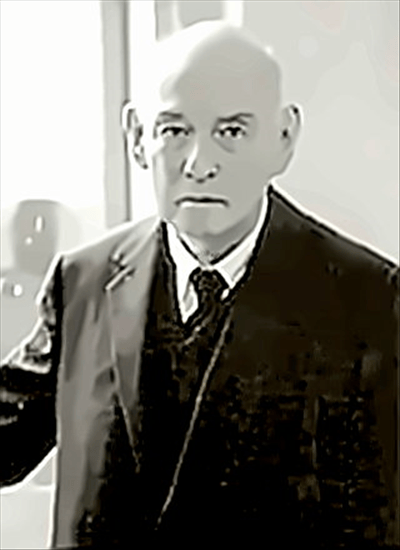
“Dialogue Between Ghost and Priest,” “Monologue at 3 a.m.,” “The Glutton,” and “November Graveyard”: The Emotional Weight of National Guilt
Plath’s poem, “Dialogue Between Ghost and Priest” talks of the “black November” in the year of 1956 which severely escalated the Cold War. The character of “Father Shawn” may well be the editor of The New Yorker at the…
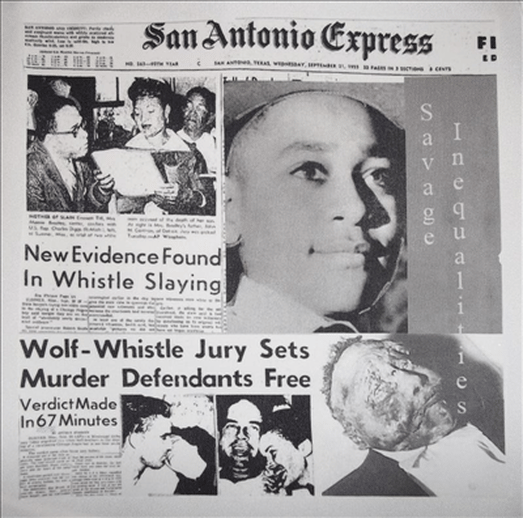
“Street Song”: Double Jeopardy
Judging from poems such as “Street Song,” Plath seemed to view herself as very blessed, coming from madness intact and in love, but never forgetting her past. This is the most obvious interpretation of “Street Song.” A…

“Spider”: Caught in Willie’s Winning Web
Ted Hughes positioned “Spider” as a 1956 poem, but the evidence suggests it may have been written in 1958. In the poem, Plath references the African folklore tale of Anansi, the trickster spider. Hughes noted in The…
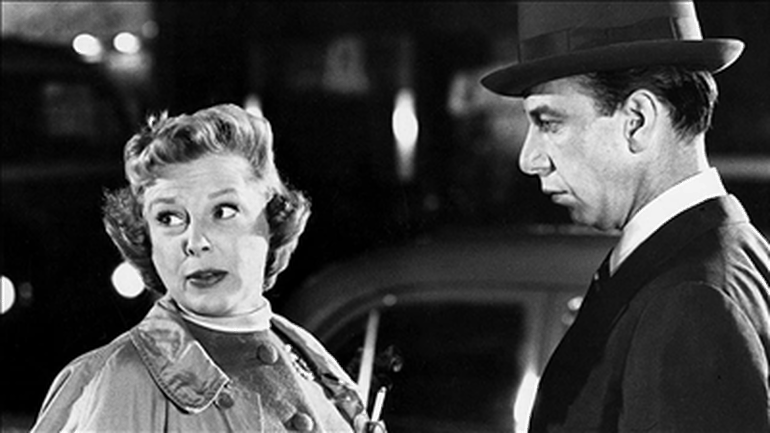
“The Shrike”: Relentless Ambition
The Shrike bird might have metaphorically flown to the height of its popularity in 1956. President Dwight D. Eisenhower’s Air Force One was a Shrike U4-B (“The singular air”). That same year, the television program…
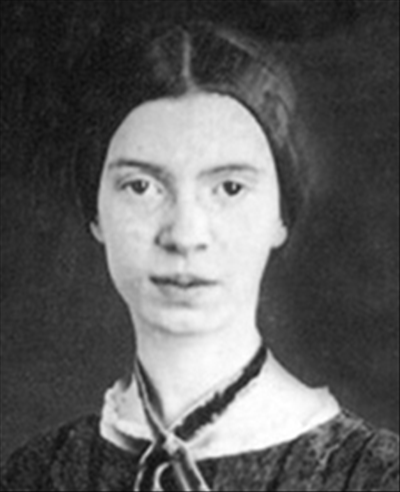
“Two Sisters of Persephone”: Poetry Goddesses
Plath read a lot of Plato at Cambridge in 1956, and the country of Greece went through a great deal of political upheaval that year. The island of Cyprus had been under British rule but was seeking to reunite with Greece. King Paul of Greec…

“Ella Mason and Her Eleven Cats”: Cat Houses In The News
Plath wrote “Ella Mason and Her Eleven Cats“ on June 2, 1956, per her pocket calendar. Plath spoke a bit of French, and the very near-homophone la maison translates to “the house.“ This is less a poem about an animal hoarder, and more expli…

“Crystal Gazer”: A Different Kind of Globe
Revisions to Plath’s poem “Crystal Gazer“ were discussed in Hughes’ October 1956 letters, but Plath’s calendar notes reveal that she wrote 24 lines (probably the first four stanzas) on June 3, 1956 and worked on it through the next few days…
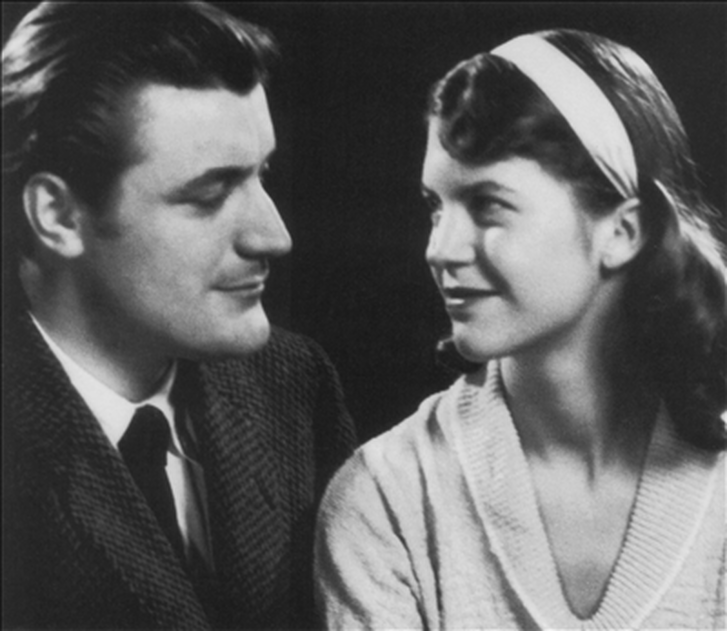
History and a Case for Prescience: Introduction on Short Studies of Sylvia Plath’s 1956 Poems
[An earlier version of this essay was first published in />–Letter to Sylvia Plath from Ted Hughes, October 6 and 8, 1956[1]…
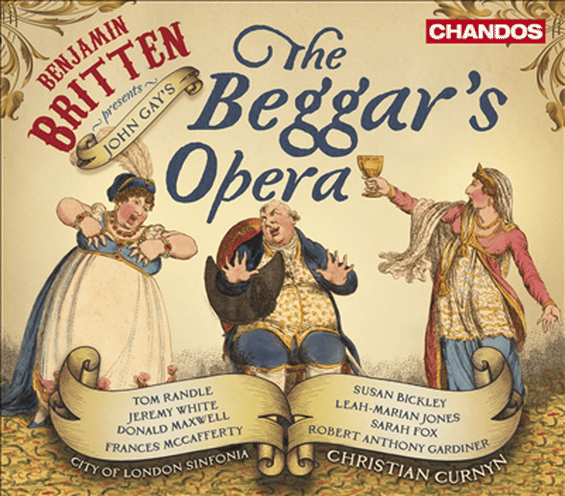
“The Beggars”: Neighboring Countries on Hard Times
“The Beggars“ is one of Plath’s poems seemingly set in Benidorm, Spain. If Plath had been reading the newspapers from home, which Aurelia might have sent, she would have seen that a new version of Faust opened at the Theatre on the Green in…
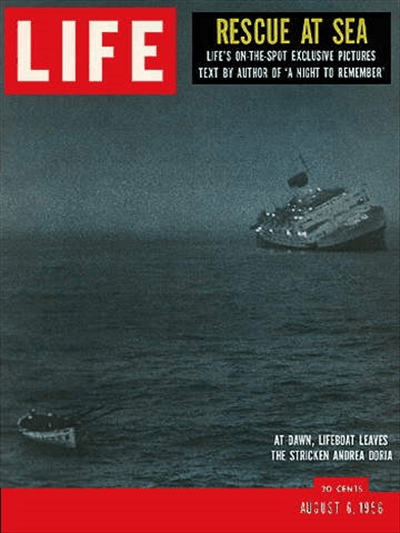
“Dream with Clam-Diggers”: A Sinking Feeling
Over those first six months of marriage with Hughes, Plath told her mother that she was writing new “happy“ poems glorifying her love with Ted. The poems she listed were “Two Sisters of Persephone,“ “Metamorphosis,“ “Wreath for a Bridal,“ “…
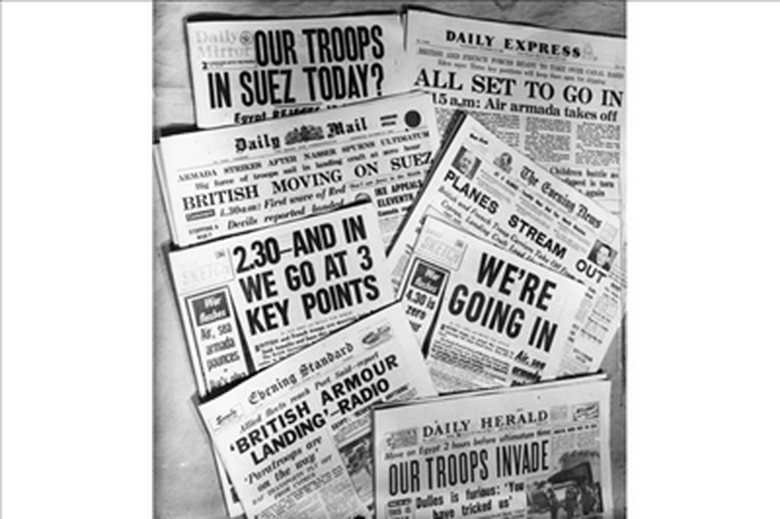
“Recantation”: An Incantation of Political Disgust
“Recantation“ is an undated poem, but considering Britain’s stance regarding 1956’s crisis in the Suez, the French in Algeria, and the Hungarian Revolution, Sylvia Plath was angry at the United Kingdom too. In “Recantation,“ she recants her…
“Wreath for a Bridal”: the Dysfunctional Marriage of Nations
Plath’s poem “Wreath for a Bridal“ was written on May 17, 1956 and is often read strictly discussing marriage and physical union. That is of course a small part of Plath’s meaning, but as with so many of her poems, it is more substantial th…

“Maudlin”: The Monthly Curse
Of all the work in the 1956 section of The Collected Poems, “Maudlin“ may be the one closest to Plath’s autobiography. However, this poem was probably written in 1959. After all, Plath wrote in her journals on May 25, 1959, “My Maudlin poem…

“Fiesta Melons”: Pin-up Pumpkins and Hollywood Honeydew
Plath loved Hollywood. Hollywood in 1956 was full of pin-up girls: Liz Taylor was the star of the moment with her movie, Giant. Marilyn Monroe starred in Bus Stop. Deborah Kerr was back with The King and I, and Jayne Mansfield became famous with The Girl Can’t Help It.…
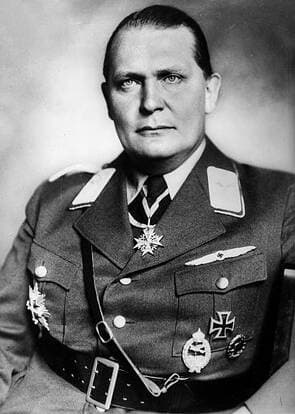
“The Goring”: Nazi Gore and Goering
/>Plath’s journals and calendars reveal that she attended a bullfight in Spain where she witnessed the picador gored by the bull. This of course was the first inspiration for the poem. But Plath had by now become adept in her multiple mea…
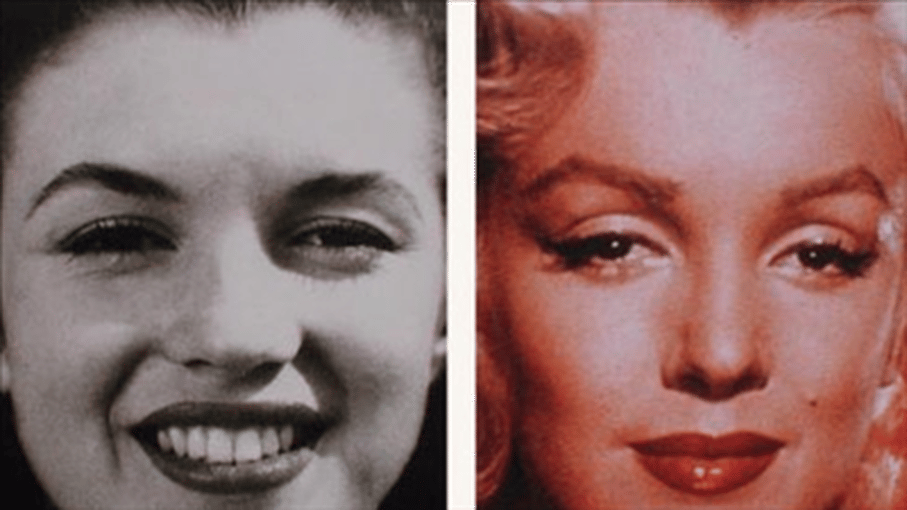
“Tinker Jack and the Tidy Wives”: Turkeyneck, Travellers and Miss LaTrobe
The shallowness of plastic surgery, in Hollywood and otherwise, seems to have also bothered Plath, as we see in poems such as “Tinker Jack and the Tidy Wives,“ written June 7, 1956, with the assumption that one “hag“ can be either restored …
“Spinster”: Unlovable Imperialism
The image of the spinster was a popular one in the movies during the 1940s and ’50s, and the character was often pictured pining over a dead soldier boyfriend whose picture was on the mantel. In 1942, Bette Davis had starred as spinster Cha…
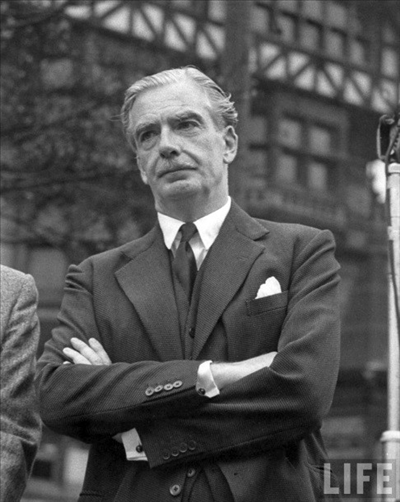
“Black Rook in Rainy Weather”: Crowing Over Hubris
In 1956, British Prime Minister Anthony Eden’s career had taken a dive over the Suez Crisis and his underestimation of opposition to attack by the United States. Eden was one of the least liked and least successful leaders in British politi…
“Alicante Lullaby”: Holiday at Holiday
Over her infamous Mademoiselle summer, in her single years, and later with Hughes, Plath made occasional trips to New York City night clubs, and certainly knew of, if not attended, the famous Copacabana night club. While Hughes and Plath we…
“Letter to a Purist”: Shaking Up Virginal Vernacular
Plath’s “Letter to a Purist“ has been dated November 19, 1956 by scholar Nancy D. Hargrove. In the poem, Plath references the giant statue, Colossus of Rhodes, one of the seven wonders of the ancient world (CP, 36). The “Cloud-cuckoo“ is a …
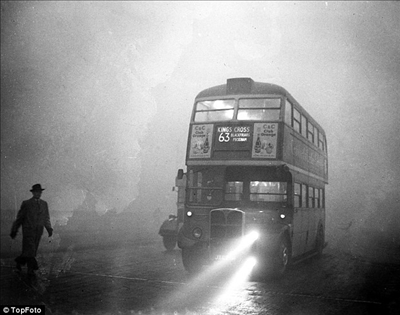
“Resolve”: Battling the Invisible
Scholar Nancy D. Hargrove dates Plath’s “Resolve“ to be written in November or December of 1956. On December 19, 1956, a thick fog was the BBC News headline, causing death on the roads, railway, ship, air and postal delays (“unserviceable“)…

“Southern Sunrise”: a Political Potboiler
Plath’s “Southern Sunrise,“ is widely believed to be about Benidorm’s Bay in Spain.[1] However, the Benidorm region has no bay associated with an angel name. The poem “Southern Sunrise“ is a better fit to “Angels’ Bay,“ the “Baie des Anges…
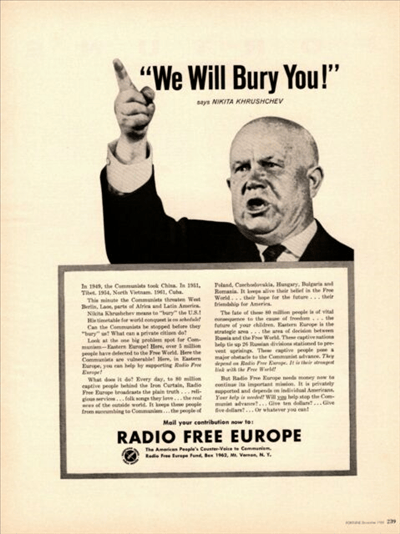
“Soliloquy of the Solipsist”: Tyranny Talking to Itself
Given her interest in world events, Plath’s “Soliloquy of the Solipsist“ appears to be her jab at Communism. This time, the military action was in Poland. In June of 1956, the Poznań Revolt had taken place in Plath’s father’s hometown.…
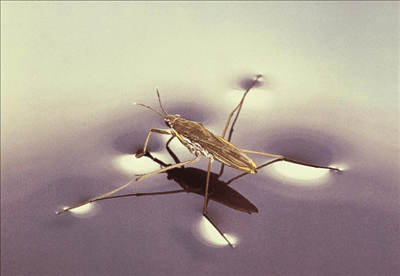
“Miss Drake Proceeds to Supper”: Discovery in the Insect World
According to her pocket calendar, Sylvia Plath wrote “Miss Drake Proceeds to Supper“ on June 19, 1956, in the sun by the River Seine in Paris, France. This was three days after she and Ted Hughes were married.…
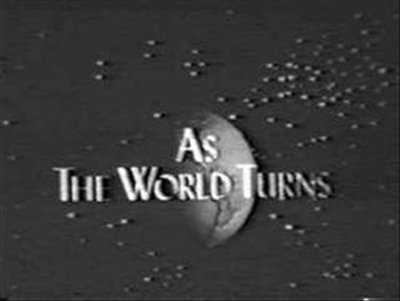
“Vanity Fair”: Waging War Against the Idiot Box
“Vanity Fair“ appears to have been written on October 28, 1956, judging from Plath’s pocket diary. “Vanity Fair“ is Plath’s poke at the television sitcoms and soap operas such as The Grove Family in the UK, and As the World Turns in the Uni…
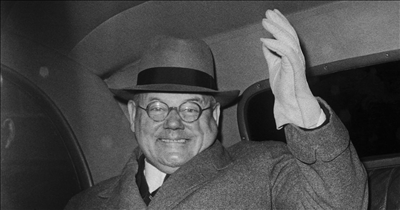
“Prospect”: Dr. Death
“Prospect“ is an interesting short poem that seems to address the fraudster and suspected serial killer, Doctor John Bodkin Adams. Adams lived in Eastbourne, Sussex, a town of “orange-tile rooftops / and chimney pots“ on the coastal area k…
“Landowners” and “Departure”: There Goes The Neighborhood!
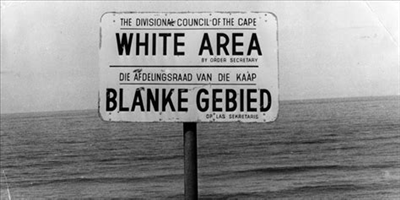
Hughes placed Plath’s poem, “Landowners,“ in the year 1956 in the Collected Poems. Plath referenced in her journals writing a poem on the subject of landowners two years later, on July 4, 1958, (UJ, 399). It is of course possible that she h…

“Strumpet Song”: …And God Created Female Competition
Plath wrote in her journals that “Strumpet Song“ was written shortly after meeting Hughes (UJ, 410). It is a literary treatment of time in the metaphor of a whore (CP, 33). Plath’s first encounter with Hughes, when he kissed her “bang smash…

“Rhyme”: Breaking the Golden Rule
Plath’s poem “Rhyme“ may be one of her least-analyzed works, and most readers interpret it as simply a commentary on the creative process. There is a good chance that Plath wrote her poem “Rhyme“ around mid-May, when the BBC had announced t…
“Bucolics”: The Pains of the Pastoral
On the first of May 1956, “Mayday,“ Plath’s beloved Grammy died, leaving her husband, “Grampy“ Frank Schober, a widower. That day, BBC News announced that Japan was in the throes of an unknown epidemic creating ataxia, convulsions, paralysi…
“Song for a Summer’s Day”: Sassoon and Sawdust
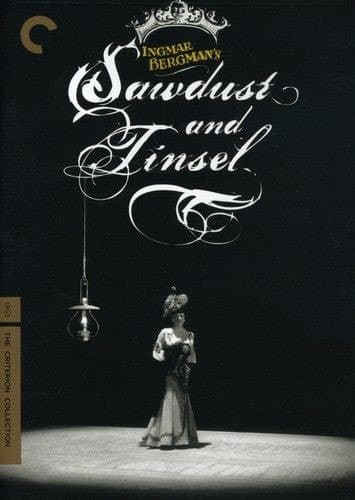
Plath finished “Song for a Summer’s Day“ on April 20, 1956 per her pocket calendar, where it is referred to as “Through Fern & Farm and Walking.“ It was first titled “Song“ in an early, darker version published in Letters Home, which she ma…
“The Eye-mote”: “That’s racing!”
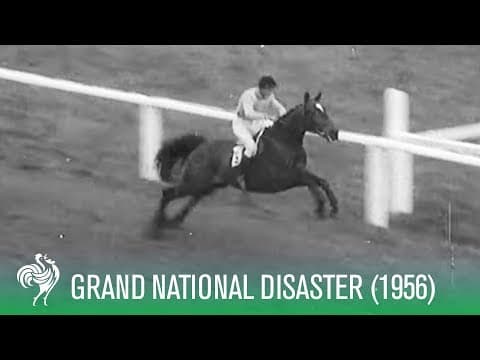
Written in Paris on March 26, 1956, according to Plath’s pocket calendar, and not in 1959 where it is placed in The Collected Poems, “The Eye-mote“ was written “through tears“ over Richard Sassoon. Readers of Plath’s letters and journals ma…
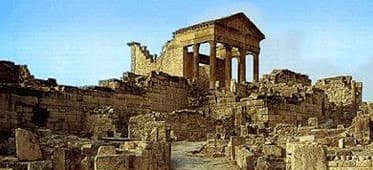
“Conversation Among the Ruins”: The Furious Wreck of Love Affairs and Tunisia
Plath’s “Conversation Among the Ruins,“ positioned first in the Collected Poems for the year of 1956, is widely read to be a piece she wrote about the famous Georgio de Chirico painting of the same name (CP, 21). The notes to the poem expla…
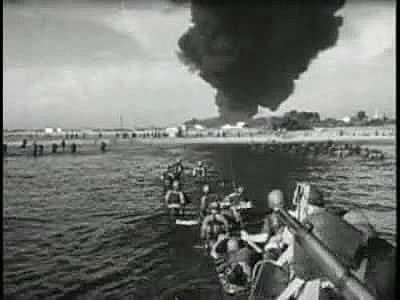
“Tale of a Tub” and “On the Difficulty of Conjuring Up a Dryad”: The Suez in Hot Water
On February 20, 1956, Plath wrote “Tale of a Tub,“ while in her own bathtub (CP, 24). “[T]ake care it doesn’t get too general,“ she noted to herself. The poem does not get too general, but rather it becomes a parody of Jonathan Swift’s wor…

“Winter Landscape, with Rooks” and “Firesong”: Tales of British Diver Lionel “Buster” Crabb
“Winter Landscape, with Rooks,“ was written on February 20, 1956, per Plath’s pocket calendar. She had written it just after reading Eugene O’Neill’s plays, all full of despairing characters on the fringes of society. Plath found herself l…

“Faun”: Hoo Are You?
Plath’s poem “Faun“ was first called “Metamorphosis,“ and is found under this title in Letters Home (LH, 234). Her pocket calendar entry dated April 18, 1956 reads, “wrote poem re: Ted = Pan.“ In her journals, Plath also referenced this sa…
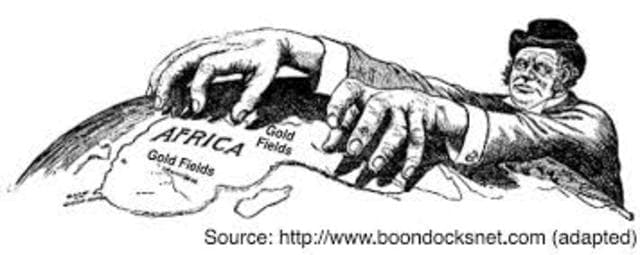
“Pursuit”: The Black Marauder of Imperialist France
Most assume that Plath wrote the predatory poem “Pursuit“ for Ted Hughes. In her journals, Plath privately acknowledged that this poem is about “the dark forces of lust.“ She hardly consoled her mother in a letter too, writing that it repre…
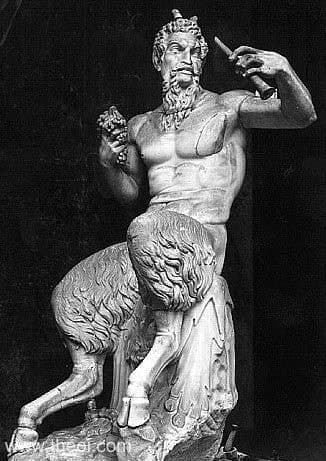
“Ode for Ted”: A Devilish Disguise
The poem “Ode for Ted“ was originally entitled “Poem for Pan,“ for the Ancient Greek god of nature and the wild mountains. According to her pocket calendar, Plath began this poem on April 20 and finished it on April 21, 1956. Pan, of course…
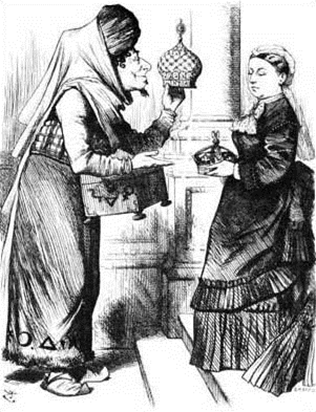
“The Queen’s Complaint”: Check-Mate
Begun on April 18, 1956, and finished the next day per her pocket calendar, Plath’s poem, “Complaint of the Crazed Queen,“ was enclosed in a letter to her mother on April 29, 1956. It was later retitled, “Mad Queen’s Song,“ and finally titl…
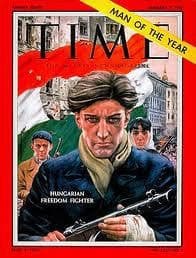
“Channel Crossing”: Crossed Wires, or the First Documented Premonition?
“Channel Crossing“ was one of Plath’s first poems to turn away from the “small, coy love lyric“ toward the “larger, social world of other people“ (LH, 222). At first glance, “Channel Crossing“ seems to be about her miserable trip, post-hone…